English
  German
  French
  Dutch
Dutch  Japanese
  Russian
How to Relieve Prostate Problems in Male Dogs? A Complete Guide to Behavioral Toys & Supportive Care
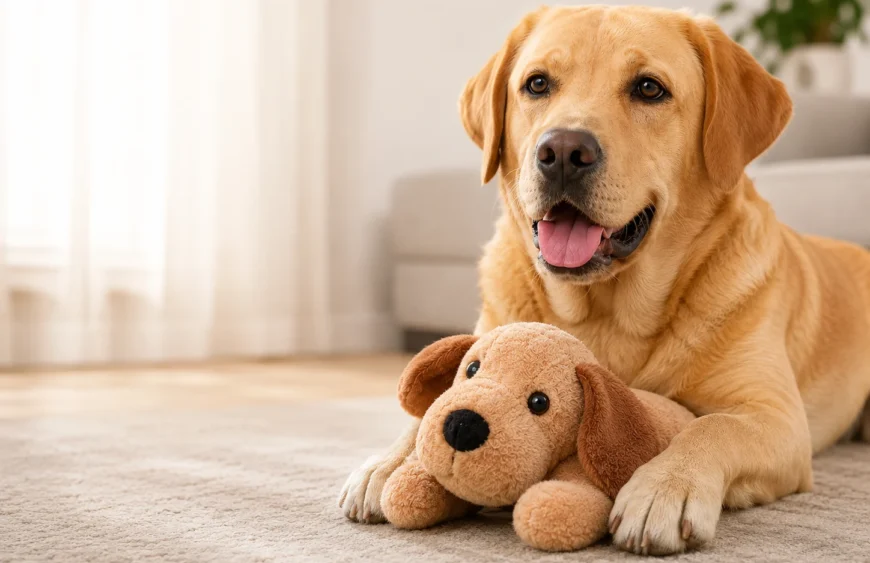
If you’ve been searching for answers about male dog prostate problems, you’re not alone. Many owners of intact male dogs notice sudden changes in behavior—restlessness, excessive mounting, marking, pacing, whining, or difficulty relaxing—and wonder whether hormones, age, or reproductive health may be involved.
The truth is that prostate issues are relatively common in intact male dogs, especially as they age. At the same time, sexual frustration, excess energy, and environmental stress can intensify behavioral symptoms.
In this guide, we’ll cover:
- Common causes of male dog prostate problems
- Warning signs every dog owner should know
- Veterinary treatment options
- How enrichment and behavioral toys may support emotional wellness
- The best stimulation toys for intact male dogs and how to use them responsibly
Important: Behavioral toys can support enrichment, stress relief, and healthy energy release, but they are not a medical treatment for prostate disease. If your dog shows urinary, reproductive, or pain-related symptoms, a veterinarian should evaluate him first.
Understanding Male Dog Prostate Problems
The prostate is a small gland located near the bladder and urethra. It plays an important role in reproductive function.
In intact male dogs, the prostate naturally enlarges with age due to hormonal stimulation. In some dogs, this enlargement becomes excessive and starts causing discomfort.
According to the veterinary reference manuals from both
Merck Veterinary Manual and
MSD Veterinary Manual, benign prostatic hyperplasia (BPH) is the most common prostate condition in intact male dogs.
Common prostate conditions include:
1. Benign Prostatic Hyperplasia (BPH)
This is a non-cancerous enlargement of the prostate caused by hormonal influence.
Common signs:
- Bloody discharge from the penis
- Difficulty defecating
- Frequent urination
- Restlessness around females
- Excessive mounting behavior
2. Prostatitis
This is inflammation or infection of the prostate.
Symptoms may include:
- Fever
- Pain while sitting
- Reduced appetite
- Lethargy
- Painful urination
3. Prostatic Cysts or Other Abnormalities
Less common, but may cause:
- Pelvic discomfort
- Difficulty walking
- Constipation
- Urinary issues
Signs Your Male Dog May Be Experiencing Hormonal or Prostate Stress
Many owners first notice behavioral changes before medical symptoms.
Watch for:
| Physical Signs | Behavioral Signs |
|---|---|
| Frequent urination | Excessive humping |
| Bloody discharge | Pacing |
| Constipation | Whining |
| Difficulty sitting | Anxiety |
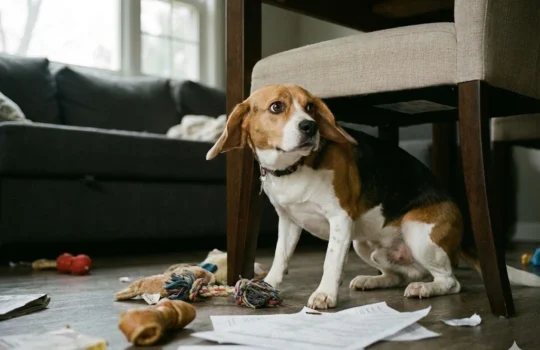
| Reduced appetite | Destructive chewing |
These signs don’t automatically mean prostate disease—but they can indicate hormonal discomfort or stress that deserves attention.
Why Intact Male Dogs Often Become Restless
Dogs are naturally driven by instinct.
When an intact male dog detects female pheromones, experiences hormonal surges, or lacks enough stimulation, he may become:
- Hyper-focused
- Frustrated
- Over-aroused
- Unable to settle
This can lead to:
- Mounting furniture
- Obsessive licking
- Barking
- Digging
- Escaping behavior
Behavioral enrichment can help redirect that energy in a healthier way.
Can Toys Help Dogs with Prostate-Related Stress?
Behavioral toys cannot shrink an enlarged prostate or treat infection.
However, they may help with:
- Stress reduction
- Anxiety management
- Redirecting sexual frustration
- Mental engagement
- Controlled energy release
A mentally satisfied dog often shows better emotional balance.
Best Stimulation Toys for Intact Male Dogs
When choosing the best stimulation toys for intact male dogs, look for:
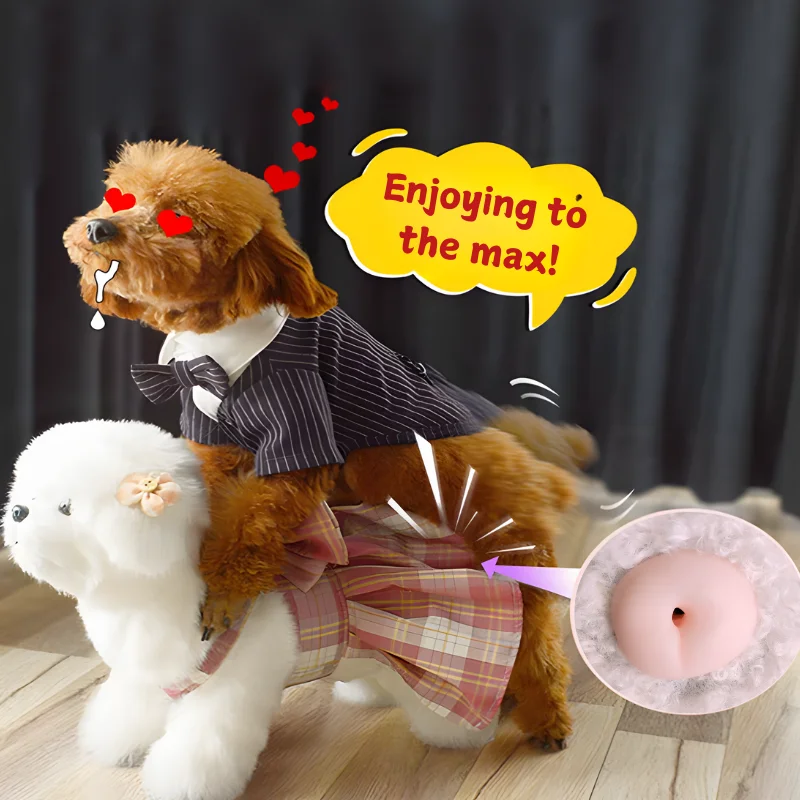
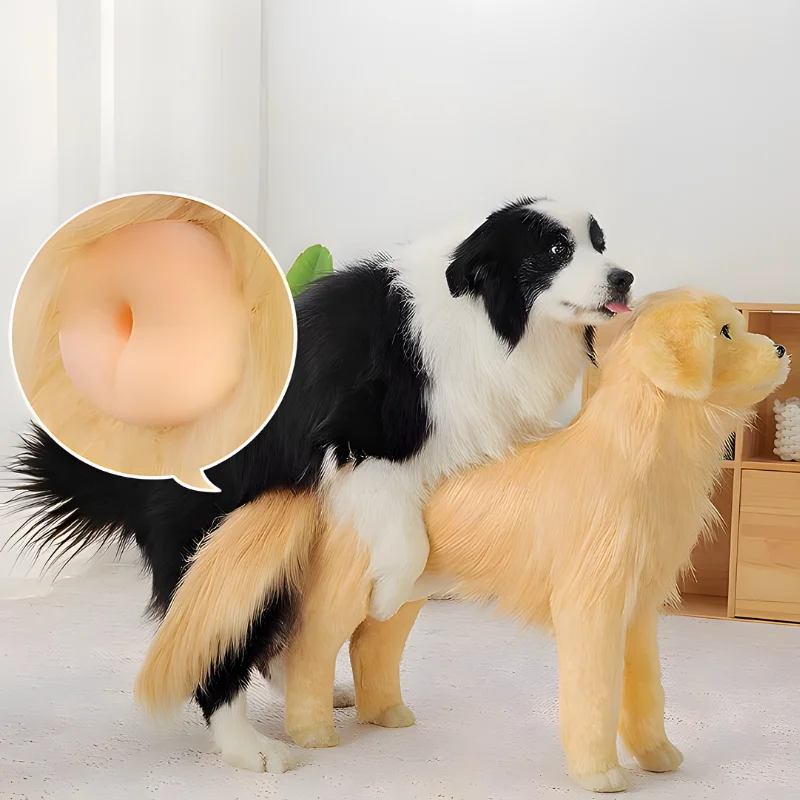
1. Realistic Companion Toys
Some dogs respond well to soft companion-style toys designed for:
- Mounting behavior redirection
- Comfort seeking
- Anxiety relief
Benefits may include:
✔ Reduced furniture mounting
✔ Better emotional self-regulation
✔ Less destructive behavior
Dogs with strong mating instincts sometimes use these toys as a safer outlet.
🐶 Realistic Dog Sex Toy for Male Dogs – Safe Mating Relief
2. Pressure-Responsive Plush Toys
These toys provide:
- Soft body contact
- Natural grip support
- Comforting tactile stimulation
Especially useful for:
- Dogs left alone during the day
- Dogs with separation anxiety
- High-drive intact males
3. Interactive Scent Toys
These help redirect reproductive energy into:
- Nose work
- Problem-solving
- Food searching
Mental stimulation often reduces compulsive behaviors.
Case Study: 2-Year-Old Intact Labrador
Dog: Cooper
Age: 2 years
Issue: Excessive mounting, pacing, whining at night
Initial Symptoms
Cooper began:
- Mounting cushions daily
- Barking at doors
- Ignoring commands
- Showing difficulty relaxing
Veterinary examination ruled out infection but noted mild prostate enlargement.
Supportive Plan
His owner introduced:
- Daily exercise
- Puzzle feeders
- A dedicated companion toy
- Structured bedtime routine
Results After 30 Days
| Behavior | Before | After |
|---|---|---|
| Mounting episodes | 10+/day | 2–3/day |
| Night pacing | Frequent | Rare |
| Destructive chewing | Moderate | Minimal |
While the toy didn’t treat the prostate itself, it became part of a broader enrichment routine.
Supportive Care Beyond Toys
Dogs with male dog prostate problems often benefit from a complete wellness approach.
Daily Exercise
Recommended:
- 30–90 minutes depending on breed
- Structured leash walks
- Controlled fetch sessions
Exercise supports hormone regulation and reduces frustration.
Weight Management
Excess body fat may increase inflammation risk.
Feed:
- High-quality protein
- Balanced omega fatty acids
- Controlled calorie intake
Veterinary Monitoring
If your dog is intact and over 4 years old, discuss routine screening with your veterinarian.
Veterinary sources note that ultrasound is often the best method for evaluating prostate size and structure.
When to See a Vet Immediately
Seek professional care if your dog shows:
- Blood in urine
- Fever
- Difficulty urinating
- Severe constipation
- Loss of appetite
- Crying while sitting
Prostate disease can sometimes progress quickly.
For detailed veterinary guidance, the official references include:
Frequently Asked Questions
Can stimulation toys cure prostate problems?
No. Toys cannot cure prostate disease. They may help reduce stress, redirect mounting behavior, and support emotional wellness.
Are behavioral toys safe for intact male dogs?
Generally yes, when:
- Material is durable
- Size matches your dog
- Use is supervised initially
Always inspect toys for wear.
Do all intact male dogs develop prostate issues?
Not all, but prostate enlargement becomes more common with age in intact males. Veterinary screening becomes increasingly important.
My dog humps everything—does that mean he has prostate problems?
Not necessarily.
Mounting may be caused by:
- Excitement
- Anxiety
- Hormones
- Learned behavior
- Lack of stimulation
Medical causes should still be ruled out if the behavior changes suddenly.
Final Thoughts
Managing male dog prostate problems requires understanding both physical health and behavioral needs.
Veterinary care remains the foundation for diagnosing prostate conditions—but daily enrichment can make a meaningful difference in quality of life.
For many owners, combining:
- Professional veterinary monitoring
- Exercise
- Emotional enrichment
- Structured routines
- The best stimulation toys for intact male dogs
creates a healthier, calmer, and happier companion.
Because sometimes helping a dog isn’t just about treating symptoms—it’s about giving him a healthier outlet for his instincts.