English
  German
  French
  Dutch
Dutch  Japanese
  Russian
The Complete Guide to Managing Your Dachshund in Heat: Signs, Care, and Health Solutions
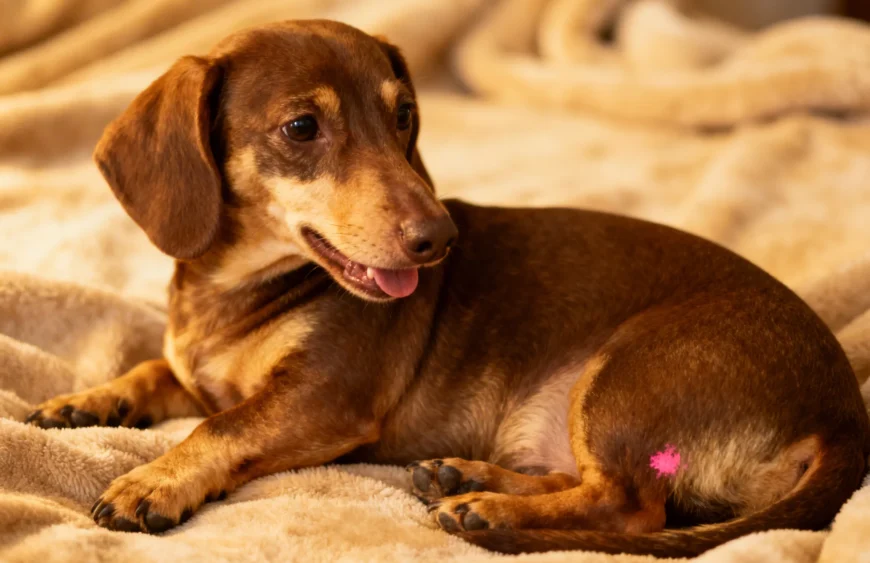
Managing a dachshund in heat can feel overwhelming—especially for first-time owners. From behavioral changes to hygiene challenges and preventing unwanted breeding, understanding the heat cycle is essential for responsible pet care. This comprehensive guide will walk you through everything you need to know, including signs, timelines, care strategies, and even solutions for male dogs dealing with hormonal stress.
Understanding the Dachshund Heat Cycle
A female dachshund’s heat cycle (also called the estrous cycle) is a natural reproductive phase that typically begins between 6–12 months of age . Once it starts, it generally repeats every 6–8 months, meaning most dachshunds go into heat about twice a year .
Key Facts at a Glance
| Factor | Details |
|---|---|
| First heat | 6–12 months old |
| Frequency | Every 6–8 months |
| Duration | 2–4 weeks |
| Fertile window | Around days 7–14 |
The full cycle consists of four stages:
- Proestrus (3–10 days): Swelling and bleeding begin
- Estrus (4–13 days): Fertility peak; receptive to males
- Diestrus: Hormonal normalization
- Anestrus: Resting phase between cycles
Signs Your Dachshund Is in Heat
Recognizing the symptoms of a dachshund in heat helps you act early and avoid complications.
Physical Signs
- Swollen vulva
- Bloody or pink discharge
- Increased urination
- Tail flagging (moving tail to the side)
Behavioral Changes
- Clinginess or mood swings
- Restlessness or anxiety
- Mounting objects or other dogs
- Attempting to escape to find mates
These signs are consistent across most dachshunds, although intensity varies by individual dog.
Real Owner Experience (Case Study)
From a recent Reddit discussion:
“We cancelled trips and stayed extra vigilant… then it started again—it felt never-ending.”
This highlights a common issue: “split heat cycles”, where symptoms pause and return, confusing many owners. It reinforces the importance of tracking your dog’s cycle and consulting a vet when patterns seem irregular.
How to Care for a Dachshund in Heat
Proper care reduces stress—for both you and your dog.
1. Maintain Hygiene
- Use dog diapers to manage bleeding
- Clean bedding frequently
- Limit access to furniture
2. Prevent Unwanted Pregnancy
- Keep your dog indoors or supervised
- Avoid dog parks during heat
- Separate from intact male dogs for at least 3 weeks
3. Provide Emotional Comfort
- Offer extra attention and gentle play
- Maintain a consistent routine
- Use calming toys or enrichment activities
4. Adjust Exercise
- Short, controlled walks on a leash
- Avoid high-energy environments
Managing Male Dogs During This Period
Even if your dachshund is female, nearby male dogs can become highly reactive.
Common Male Behavior Changes
- Excessive whining
- Mounting behavior
- Aggression or frustration
- Loss of appetite
Practical Solution: Controlled Release
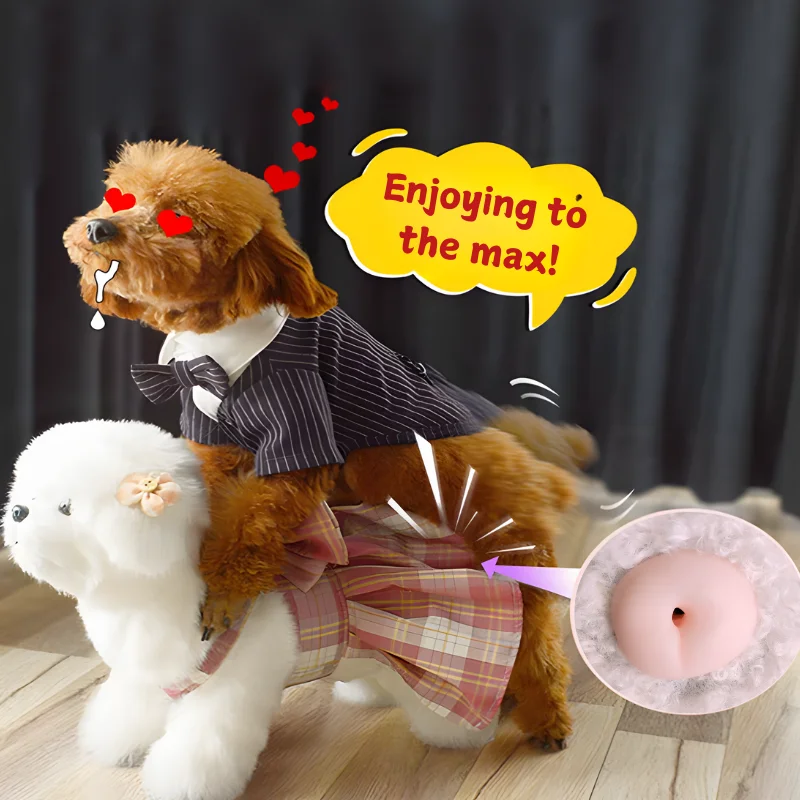
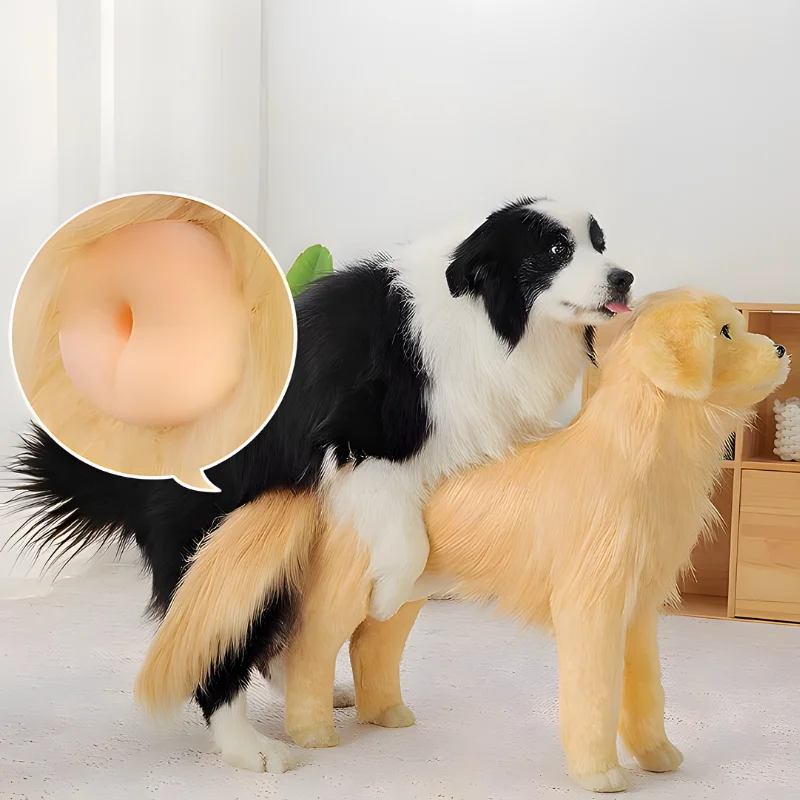
For owners dealing with male dogs, using a Male dog sex toy for release can help reduce stress and behavioral issues. These products simulate natural instincts safely, helping to:
- Reduce mounting on furniture or people
- Lower anxiety levels
- Improve overall behavior during nearby heat cycles
This is especially useful in multi-dog households.
🐶 Realistic Dog Sex Toy for Male Dogs – Safe Mating Relief
Health Risks & When to See a Vet
While heat is natural, certain symptoms require immediate attention.
Warning Signs
- Foul-smelling discharge
- Lethargy or loss of appetite
- Swollen abdomen
- Excessive urination
These could indicate pyometra, a serious uterine infection that requires urgent treatment
Data Insight: Heat Cycle Timeline
| Stage | Timeframe | Description |
|---|---|---|
| Proestrus | Week 1 | Bleeding begins; swelling occurs |
| Estrus | Week 2 | Fertility peak; receptive to males |
| Diestrus | Week 3 | Recovery; hormones normalize |
| Anestrus | Months 2–6 | Rest phase before next heat cycle |
Tracking this cycle helps predict future heat periods and prepare accordingly.
FAQ: Dachshund in Heat
1. How long does a dachshund stay in heat?
Typically 2–4 weeks, though it can vary slightly by individual dog.
2. Can I walk my dog during heat?
Yes, but always on a leash and away from other dogs.
3. Is it painful for dachshunds?
Heat is usually uncomfortable but not painful. If your dog shows signs of pain, consult a vet.
4. How do I stop the bleeding?
You can’t stop it naturally, but dog diapers help manage it effectively.
5. Should I breed my dachshund during the first heat?
No. Most experts recommend waiting until at least the second cycle for health reasons .
6. What about male dogs in the house?
Consider separation, increased exercise, or a Male dog sex toy for release to reduce stress-driven behaviors.
Conclusion
Managing a dachshund in heat requires preparation, patience, and understanding. By recognizing the signs early, maintaining hygiene, and taking preventative steps, you can ensure your dog remains healthy and comfortable throughout the cycle.
Whether you’re handling a female in heat or managing a reactive male dog, the key is proactive care and informed decision-making. With the right approach, this natural phase becomes far more manageable—and far less stressful for everyone involved.